Do Guinea Pigs Bite?
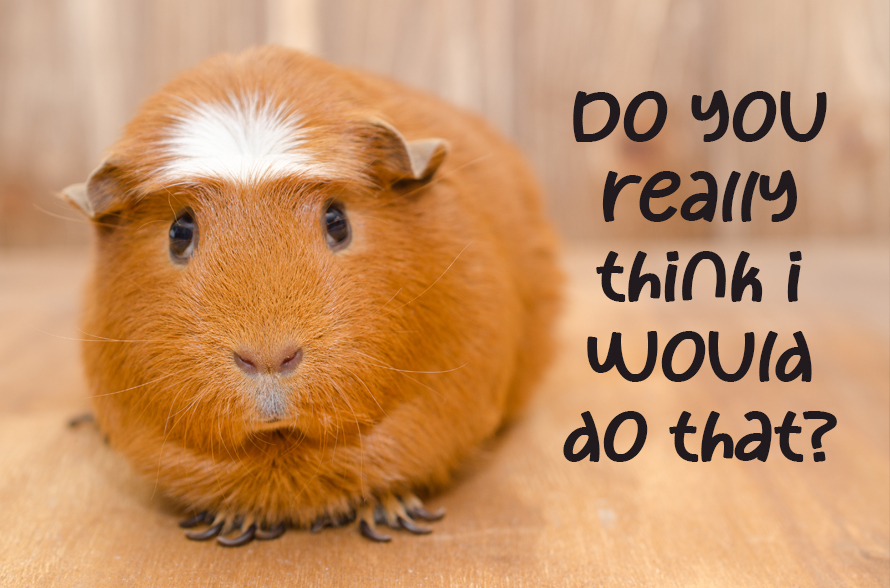
If you own guinea pigs then you’d already know that they’re friendly and gentle animals. However, even the most gentle pets can lose their temper in some scenarios and it leads to one of the most commonly asked questions. Do guinea pigs bite?
The simple answer to this question is, yes. Guinea pigs can and they do bite sometimes and there are plenty of reasons why it happens. Most commonly guinea pigs bite when they are scared or something is wrong with them physically. For example, a guinea pig can bite if you’re holding it for so long and it needs to pee.
If you’re considering getting guinea pigs to pet then it’s important to know how they function. It includes when and why they bite and how to train them not to do so. Let’s figure it out...
Will Guinea Pigs Bite?

As mentioned, guinea pigs can bite sometimes but it doesn’t happen without any reason. Usually, their bites aren’t painful but it’s important to understand how to read the body language of your guinea pig to avoid getting bitten. Here’s a list of some common reasons why these adorable pets bite.
- They just want to nibble
- They’re trying to communicate
- There is food on your hand
- They’re not feeling comfortable
- They’re showing affection
- You recently moved them to a new environment and they’re having difficulty socializing
- They’re depressed, lonely, or depressed
- They’re not feeling well and might be hurt or sick
- They’re suffering from skin or fur problems or any other medical condition
- Their stomach is upset
What Happens if a Guinea Pig Bites You?
Guinea pig bites usually don’t hurt. Most of the time, you’ll find that it’s just licking your skin or nibbling at you without breaking your skin. However, if your guinea pig is stressed out or irritated, then their bite can break the skin. It’s advisable to stay careful while feeding guinea pigs with your hand.
How to Treat a Guinea Pig Bite?
If you’ve been bitten by your guinea pig then you’ll need to make sure whether it has not caused bleeding. If you experience bleeding then you’ll need to treat the affected area as soon as possible by following the steps listed below.
Clean the Wound
The first step is to clean the wound by using soap and cold water. Using antiseptic soap is preferred if you have one.
Use Antimicrobial Ointment
In order to prevent the bacteria build-up that can cause infection, consider using an antimicrobial ointment on the affected area after cleaning.
Apply Pressure
If the bleeding is severe (that’s very rare) then you’ll need to apply pressure on the wounded area and visit your general physician right away.
Keep in mind, guinea pigs don’t bite aggressively to break the skin. If it happens, you’ll need to look for the reason why it happened. Otherwise, it can lead to some serious consequences for both you and your guinea pig.
How to Train a Guinea Pig Not to Bite?
Now that you understand that guinea pigs bite only when they feel mishandled, bullied, ill, or threatened, you need to keep in mind that all piggies have unique personalities. If one piggy likes being cuddled all the time, then it certainly doesn’t mean that all the guinea pigs will follow the same behavior.
The best way is to start getting to know your pets and treat them the way they like to avoid getting bitten. Consider following the practices listed below to train your piggies not to bite.
Handle Your Guinea Pigs with Care

The first step to understanding the personality of your guinea pigs is to know their likes and dislikes and never handle them roughly. If you feel that one of your cavies doesn’t like being held then avoid doing it. Additionally, it’s also important not to disturb them while they’re playing around or eating.
Never Stick Your Finger Through their Hutch
Bear in mind if your guinea pig feels afraid or stressed, then your chances of getting bitten will increase. If you or someone else sticks fingers through the hutch of your guinea pigs, they’ll feel afraid and it can result in a hard bite.
Wash Your Hands Before Holding them
Guinea pigs have an excellent sense of smell and extremely sensitive noses. They can easily associate different smells with danger or food. If they smell something they like or are afraid of, they are more likely to bite or nip.
Look for Possible Reasons
Guinea pigs are naturally docile animals and generally, there’s always a reason why they're biting you in the first place. Boars that haven't been neutered may be violent towards other male guinea pigs in order to get a female's attention, or maybe they’re trying to show dominance.
You may be holding it inappropriately, handling it too hard, or even putting it on its back, all of which might cause a Guinea Pig to bite you.
Provide them with Plenty of Space
It's surprising how much space Guinea Pigs need to play around and explore, given their small sizes. Boredom or dissatisfaction in a guinea pig makes it more prone to bite as a result of stress. That’s why it is important to provide them with plenty of space and things to move around. You can buy a decent-sized hutch that offers plenty of places to hide, toys, and tunnels.
Reward When they Behave Good
If your guinea pig bites you then consider putting it in the hutch right away without hurting it. You must not give your cavy attention or a treat straight after it bites you. It’ll encourage your pet as it will consider the treat as a reward. Instead, you should reward your piggy with a snack or cuddle when it behaves well.
In the video below, Little Adventures mentions some of the best practices that will allow you to stop your guinea pig from biting. Remember, the key is to win their trust by making them comfortable and they’ll start approaching you of their own free will.
Summary
Guinea pigs are among the most social and friendly animals, and that’s why they make such adorable, loving, and suitable pets.
We hope all your questions have been answered if you were curious why guinea pigs bite and how to stop them from doing so.